
Indian Wedding Photography vs. Cinematography: Do You Need Both?
It's one of the most common questions we get during consultations: do we really need both photography and video?
The honest answer is: no, you don't need both. Plenty of couples choose one or the other and are completely happy. But for Indian weddings specifically, there's a case for both that goes beyond what either medium can do on its own, and we think it's worth walking through honestly.
What Photography Does
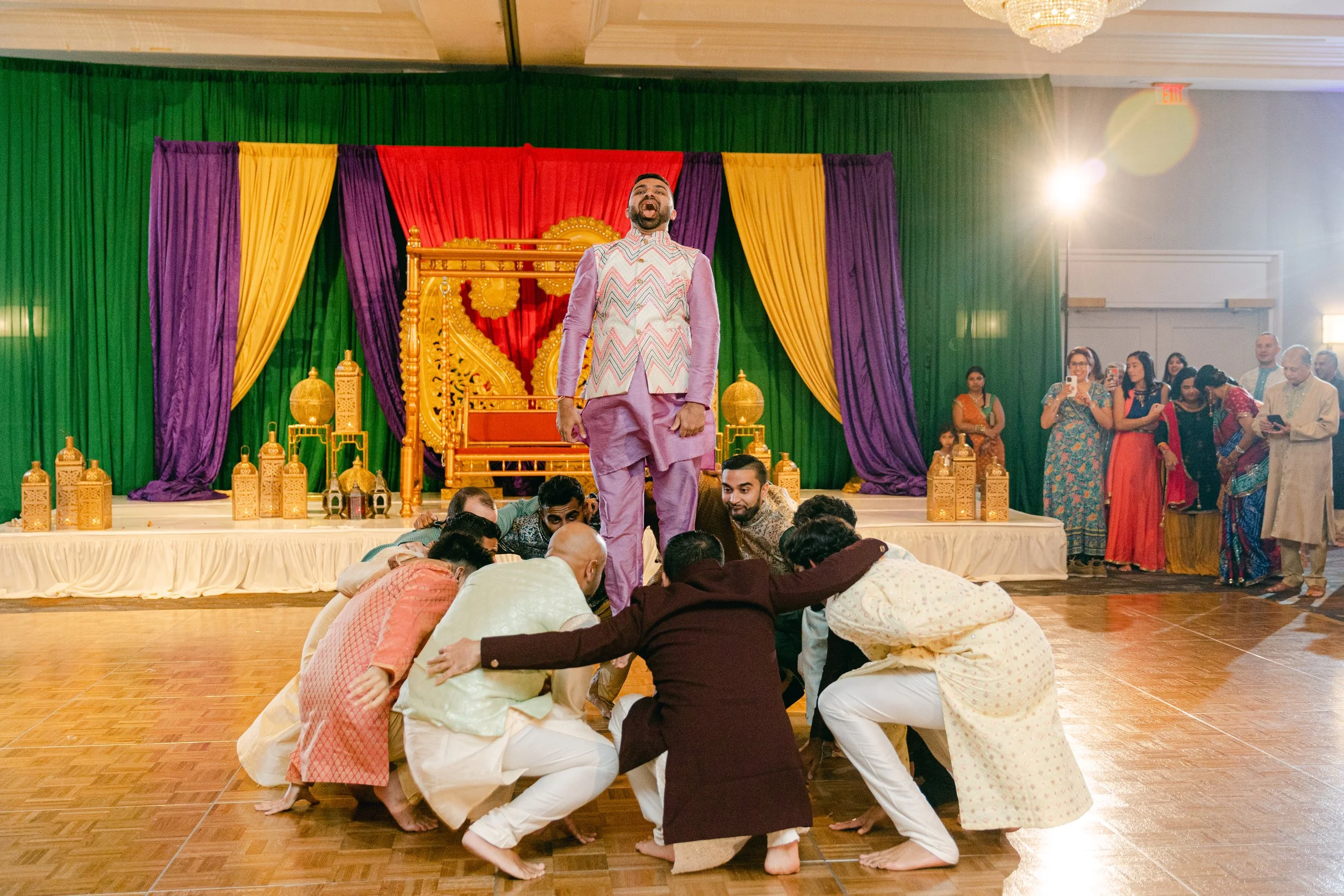
A photograph freezes a moment perfectly. The expression on your father's face when he sees you in your lehenga for the first time. The exact shape of the sindoor on your hair parting. The way your grandmother looked watching you circle the fire.
Still photography is immediate and permanent. You can hang it on a wall, put it in an album, share it in a message. It's the medium your family will interact with most over the years.
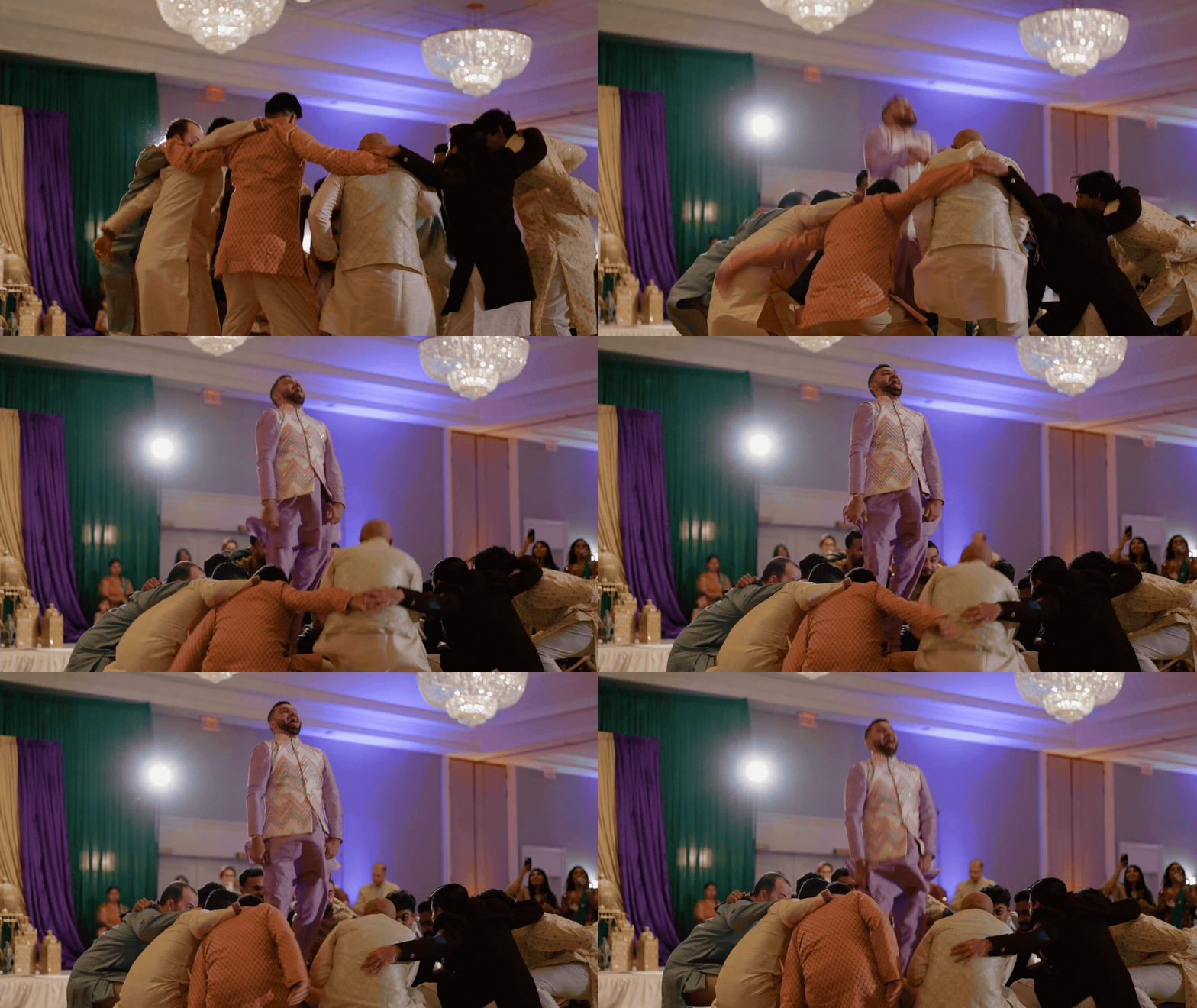
What it can't do is capture the sound of the dhol. It can't replay the priest's prayers. It can't show your niece dancing at the sangeet or your parents' faces when the vidaai music started.
What Cinematography Does
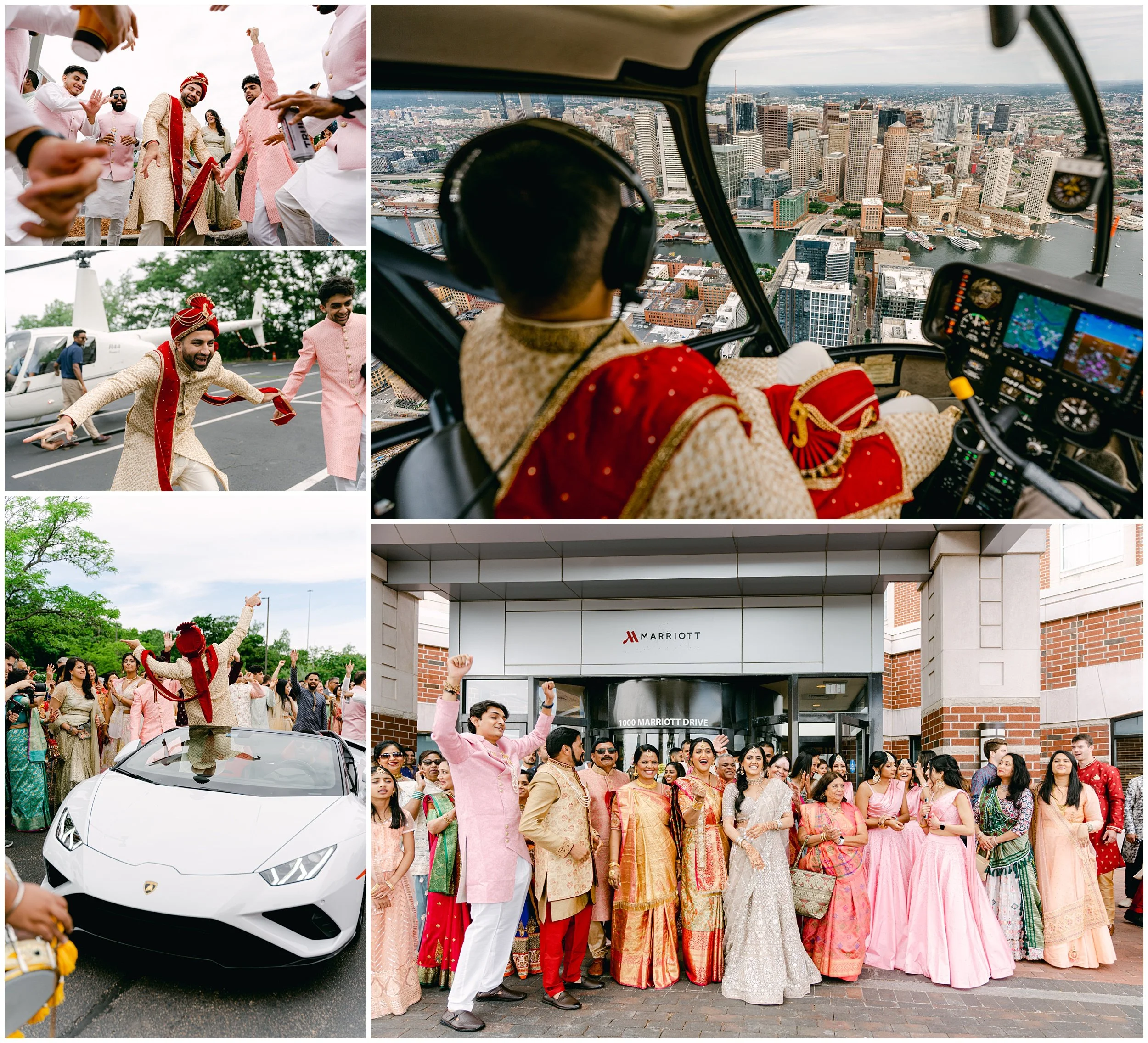
A wedding film captures everything that moves and sounds and feels alive and Indian weddings are especially well-suited to film because of how much is happening. The energy of the baraat. The laughter during the jaimala. The prayers during the saptapadi. The full, real sound of the vidaai.
A good wedding film doesn't just document what happened. It puts you back in the room. Couples who have wedding films consistently describe the experience of watching it for the first time as one of the most emotional moments of their marriage.
What film can't do is give you the still, perfect, frameable image of a single moment. The two media complement each other in ways that are hard to replicate with just one.
Why It Matters Especially for Indian Weddings
South Asian weddings have more ceremonies, more rituals, and more simultaneous action than most other wedding formats. A baraat, a jaimala, a full phera ceremony, a sangeet, a reception and each one has moments that are best captured in motion and moments that are best frozen in a still.
The other thing worth considering: Indian weddings tend to involve a lot of family, grandparents, relatives from overseas, people who traveled a long way to be there. A wedding film is something you can share with all of them, wherever they are in the world. For extended families spread across multiple countries, that matters.
The Case for Booking Both with the Same Team
When your photographer and cinematographer are two separate teams that have never worked together, you often end up with coordination problems on the day. Two teams jostling for the same angles. Lighting setups that work for video but flatten the stills. Communication gaps around the timeline.
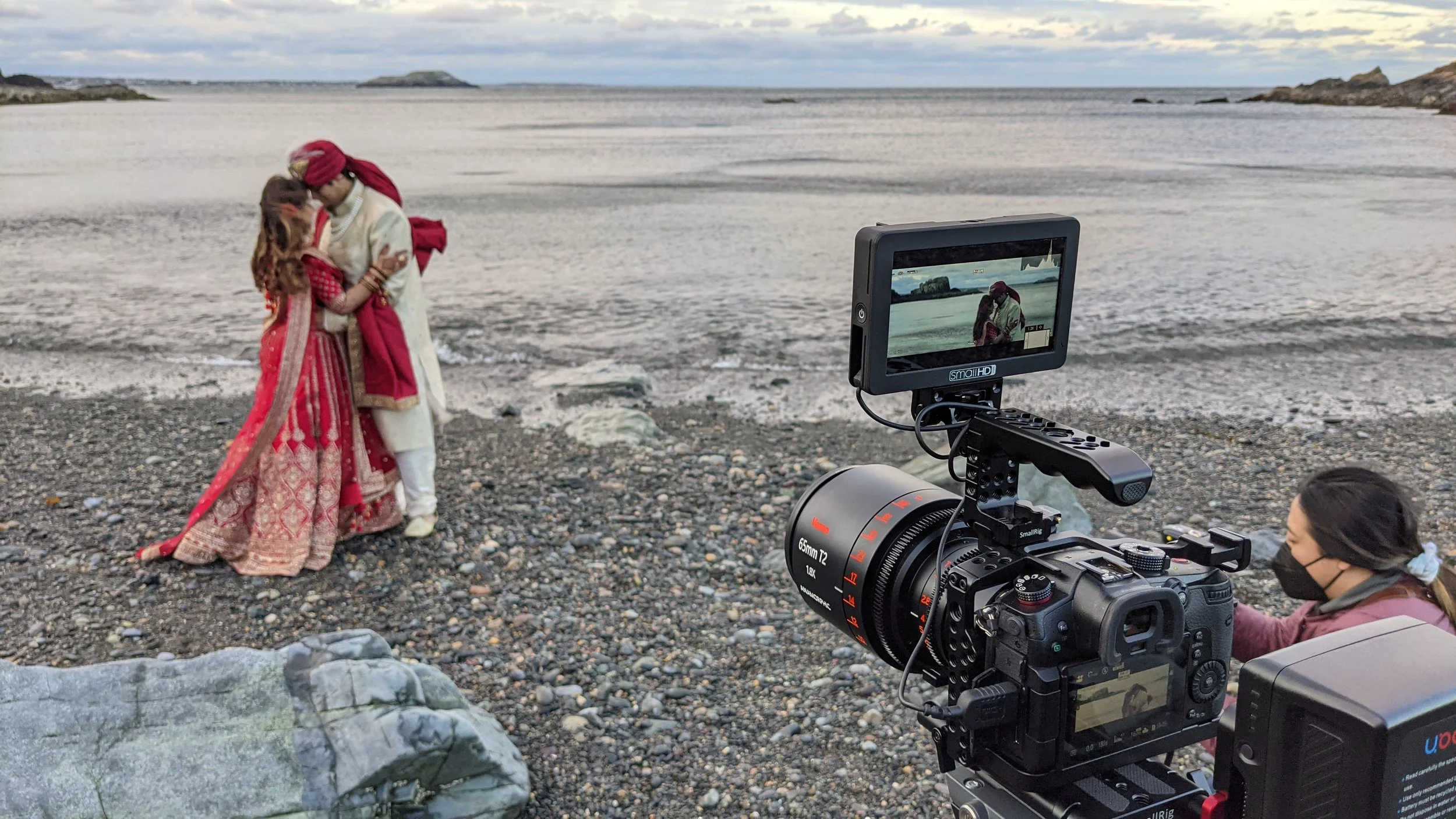
When they're the same team or in our case, a married couple who have worked together for years, those problems disappear. We move together. We plan together. The result is a cohesive set of photos and film that tell the same story in two different mediums.
So Do You Need Both?
If budget is a real constraint, prioritize photography. Still images are the medium your family will interact with most over the long term, and great photography is irreplaceable.
If your budget allows for both, we'd encourage you to seriously consider adding cinematography, especially for a multi-day South Asian wedding. The ceremonies and moments you're celebrating deserve to be captured in every way possible.
And if you're interested in seeing what our wedding films look like before deciding, our video gallery is the best place to start. Or reach out directly, we're always happy to talk through what makes sense for your specific celebration.